
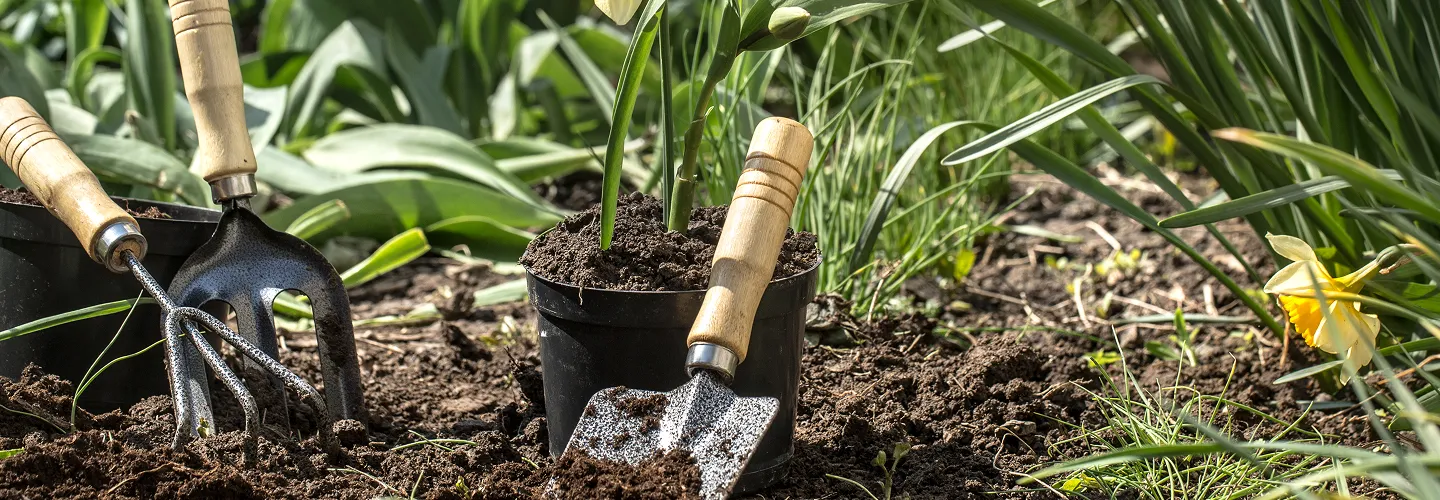
Sun Groves Flower Bed Maintenance Services
Choose our Flower Bed Maintenance for expert care that ensures your garden stays healthy, colorful, and weed-free—so you can enjoy beautiful blooms without the hassle.
Get a Free QuoteOur Sun Groves Landscaping & Yard Care Services
When to Schedule Flower Bed Maintenance in Sun Groves, Arizona – Seasonal Guide
In Sun Groves, Arizona, the timing of flower bed maintenance is crucial for ensuring vibrant, healthy landscapes throughout the year. The region’s unique climate—marked by hot, dry summers and mild winters—means that the best periods for maintenance are typically in early spring and late fall. These windows allow homeowners to prepare beds before the intense summer heat or after the monsoon season, when soil moisture is optimal and plants are less stressed. Neighborhoods near Veterans Oasis Park and along East Riggs Road often experience microclimates, with varying shade coverage and soil types that can influence the ideal maintenance schedule.
Local environmental factors such as the last frost date (usually late February), drought risk during peak summer, and the prevalence of caliche soils in Sun Groves all play a role in determining when to refresh mulch, prune perennials, or amend soil. Homeowners should also consider municipal guidelines and water restrictions, which can impact irrigation schedules. For more information on local regulations and resources, visit the official Sun Groves community page.
Local Factors to Consider for Flower Bed Maintenance in Sun Groves
- Tree density and shade coverage, especially near Chandler Heights
- Soil composition, including caliche and sandy soils
- Seasonal precipitation patterns and monsoon timing
- Frost dates and temperature fluctuations
- Municipal water use restrictions
- Proximity to landmarks like Veterans Oasis Park
- Terrain and drainage characteristics
Benefits of Flower Bed Maintenance in Sun Groves
Enhanced Curb Appeal
Weed and Pest Prevention
Healthier Plant Growth
Seasonal Color Optimization
Professional Landscape Expertise
Time and Effort Savings
Sun Groves Flower Bed Maintenance Types

Seasonal Flower Planting
-
Weed Control Services
-
Mulching and Soil Conditioning
-
Pruning and Deadheading
-
Fertilization Programs
-
Pest and Disease Management
-
Irrigation System Monitoring
Our Flower Bed Maintenance Process
Site Evaluation
Weed Removal
Soil Preparation
Plant Care
Mulching
Why Choose Sun Groves Landscape Services
Sun Groves Homeowners Trust Us
-
Comprehensive Lawn Maintenance
-
Reliable Irrigation Solutions
-
Expert Tree and Shrub Care
-
Weed and Pest Control
-
Seasonal Clean-Up Services
-
Competitive Pricing
-
Professional and Courteous Team
Coordinating Flower Bed Maintenance with Sun Groves Municipal Programs and Services
Sun Groves is a master-planned community situated within the City of Chandler's jurisdiction in the southeast Phoenix metro area. Residents maintaining flower beds should be aware of municipal programs that affect organic debris disposal, irrigation water use, and neighborhood landscape standards. Green waste generated from flower bed maintenance—including spent annuals, pruned perennials, and pulled weeds—must be handled according to the city's solid waste and bulk collection guidelines. Property owners and managers should verify current pickup schedules and accepted materials through the Public Works and Utilities Department before placing organic debris curbside.
- Flower bed trimmings, deadheaded blooms, and pulled root material are generally classified as green waste for collection purposes.
- Mulch replacement and soil amendment packaging should be separated from organic debris and disposed of through standard waste channels.
- Properties adjacent to common areas or HOA-maintained landscape zones should coordinate bed maintenance timing to avoid conflicting irrigation schedules.
The city's urban forestry program can also provide guidance when flower beds are located beneath or adjacent to municipal trees along parkways or public-facing frontages.
Chandler Public Works & Utilities
Official Website: Chandler Public Works & Utilities
Chandler Urban Forestry Program
Official Website: Chandler Urban Forestry
How Sun Groves's Low-Desert Heat and Alkaline Soils Affect Flower Bed Health
Sun Groves falls within USDA Hardiness Zone 9b, characteristic of the low-desert Chandler corridor where summer temperatures routinely exceed 110°F and winter lows rarely dip below 30°F. These conditions impose specific demands on flower bed maintenance that differ substantially from temperate-climate practices. Soils throughout the community tend toward alkaline sandy loam with a pH commonly above 7.5, often underlain by caliche hardpan at variable depths. This alkalinity can cause iron chlorosis in acid-loving ornamentals and limits nutrient availability for many flowering species. The USDA Web Soil Survey provides parcel-level soil data that can inform amendment decisions.
- Reflected heat from block walls, concrete walkways, and decomposed granite surfaces intensifies thermal stress on flower beds positioned along south- and west-facing exposures.
- Monsoon storms from July through September deliver intense but brief rainfall that can wash out mulch, displace emitters, and erode bed edges if drainage is not properly directed.
- Salt accumulation from municipal or reclaimed irrigation water can build up in the root zone, requiring periodic deep leaching to prevent foliar burn and root damage.
- Caliche layers may impede drainage, creating perched water tables that lead to root rot in beds without adequate subsurface preparation.
The Arizona Department of Water Resources provides landscaping guidance that addresses water-efficient planting strategies suited to these conditions.
Regulatory Requirements Affecting Flower Bed Maintenance in Sun Groves
Flower bed maintenance in Sun Groves must comply with several layers of local and state regulation. The City of Chandler enforces property maintenance standards that include weed abatement, debris removal, and landscape upkeep on residential and commercial parcels. Beds that become overgrown or accumulate dead plant material may trigger code compliance action through the Community Development Department. When chemical weed control or pest treatments are applied to flower beds, applicators must hold appropriate credentials under Arizona Department of Agriculture licensing requirements, and all products must be used in accordance with label directions.
- Herbicide or pesticide runoff from flower beds into storm drains, curb inlets, or retention basins is regulated under Arizona DEQ stormwater provisions and the federal Clean Water Act.
- Noxious weed species identified by the Arizona Department of Agriculture must be removed if found establishing in flower beds or adjacent landscape areas.
- Properties near washes or flood-control channels may face additional restrictions on grading, soil disturbance, or chemical application; verify current requirements with the city's Environmental Management Division.
Chandler Environmental Management
Official Website: Chandler Environmental Management
Timing Flower Bed Maintenance Around Sun Groves's Seasonal Extremes
Professional flower bed maintenance in the Sun Groves area follows a seasonal rhythm dictated by the Sonoran Desert climate. Cool-season annuals such as petunias, snapdragons, and pansies are typically planted between October and early November and require deadheading and supplemental feeding through March. Warm-season plantings—including vinca, lantana, and zinnias—are established after the last frost risk has passed, generally by mid-March, and must be monitored closely for heat stress once daytime highs exceed 105°F.
- Irrigation emitters should be inspected and adjusted at each seasonal transition; clogged or misaligned emitters are a primary cause of flower bed failure in low-desert conditions.
- Mulch depth should be evaluated monthly during summer, as organic mulch decomposes rapidly in extreme heat and may need replenishment to maintain adequate root-zone insulation.
- Weed suppression is most effective when pre-emergent barriers are applied before the monsoon season and again in late winter before spring germination flushes.
- Deadheading and spent-bloom removal should occur on a weekly to biweekly cycle during active flowering periods to sustain bloom production and reduce pest harborage.
- Post-monsoon bed inspections should assess mulch displacement, emitter damage, erosion along bed borders, and sediment accumulation that may smother low-growing plantings.
Chandler Community Development
Official Website: Chandler Community Development
What Neighborhoods Do We Serve Throughout Sun Groves, AZ?
- Sun Groves Phase 1 — Established lots with mature landscape trees that create partial shade conditions, requiring flower bed species selection adapted to filtered light and root competition from adjacent canopy.
- Sun Groves Phase 2 — Newer construction parcels where compacted subdivision fill and imported topsoil layers may require soil amendment before flower beds can sustain healthy root development.
- Sun Groves Phase 3 — Properties with south- and west-facing block walls that generate significant reflected heat, demanding heat-tolerant cultivars and careful emitter placement in adjacent beds.
- Sun Groves Phase 4 — Lots positioned near community retention basins and drainage corridors where monsoon runoff patterns influence bed grading and mulch retention strategies.
- Sun Groves Common Areas — HOA-maintained landscape zones with established flower bed rotations that require coordination between individual property maintenance and community-wide planting schedules.