
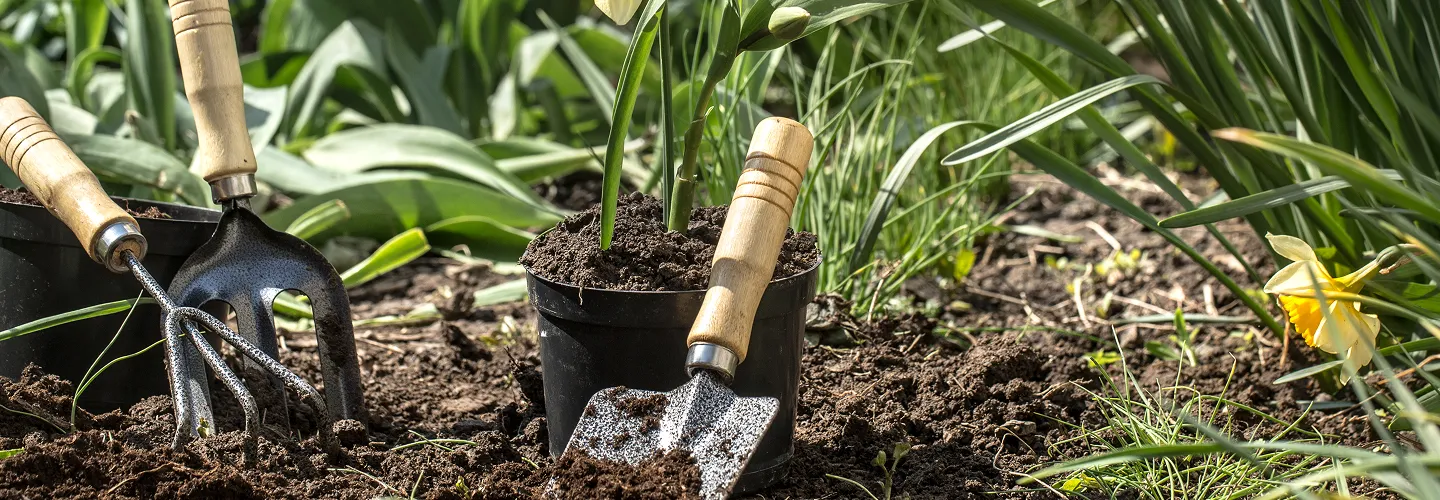
Sun Groves Plant Removal Services
Choose our Plant Removal service for safe, thorough, and eco-friendly solutions that restore your landscape’s beauty while saving you time and effort.
Get a Free QuoteOur Sun Groves Landscaping & Yard Care Services
When to Schedule Plant Removal in Sun Groves, Arizona – Seasonal Guide
In Sun Groves, Arizona, timing your plant removal is crucial for both the health of your landscape and the efficiency of the process. The region’s unique climate—marked by hot, dry summers and mild winters—means that late winter through early spring is often the optimal window for plant removal. This period, just after the last frost date and before the onset of intense summer heat, allows for easier root extraction and minimizes stress on surrounding vegetation. Neighborhoods near Veterans Oasis Park and along Chandler Heights Road often experience microclimates, so it’s important to consider local conditions when planning your project.
Environmental factors such as drought risk, soil composition (with many areas featuring clay-heavy soils), and variable shade coverage from mature trees all play a role in determining the best time for removal. Additionally, municipal guidelines and HOA restrictions in Sun Groves may affect when and how plant removal can be performed. For more information on local regulations, visit the official Sun Groves resource.
Local Factors to Consider for Plant Removal in Sun Groves
- Tree and shrub density in your yard
- Soil type and drainage characteristics
- Proximity to landmarks like Sun Groves Park or local schools
- Recent precipitation and current drought conditions
- Shade coverage from established trees
- Municipal or HOA restrictions on removal timing
- Accessibility of removal equipment due to terrain
Benefits of Plant Removal in Sun Groves
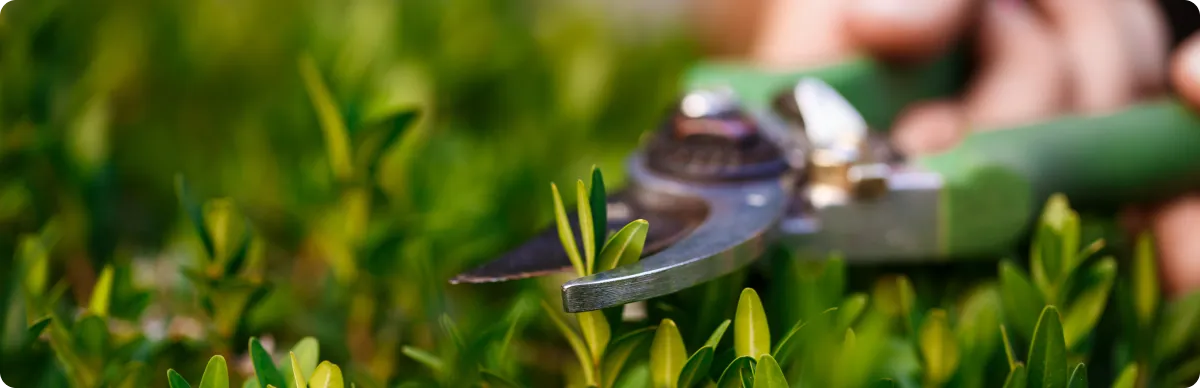
Enhanced Curb Appeal
Improved Plant Health
Reduced Pest Infestation
Increased Usable Space
Efficient Landscape Maintenance
Boosted Property Value
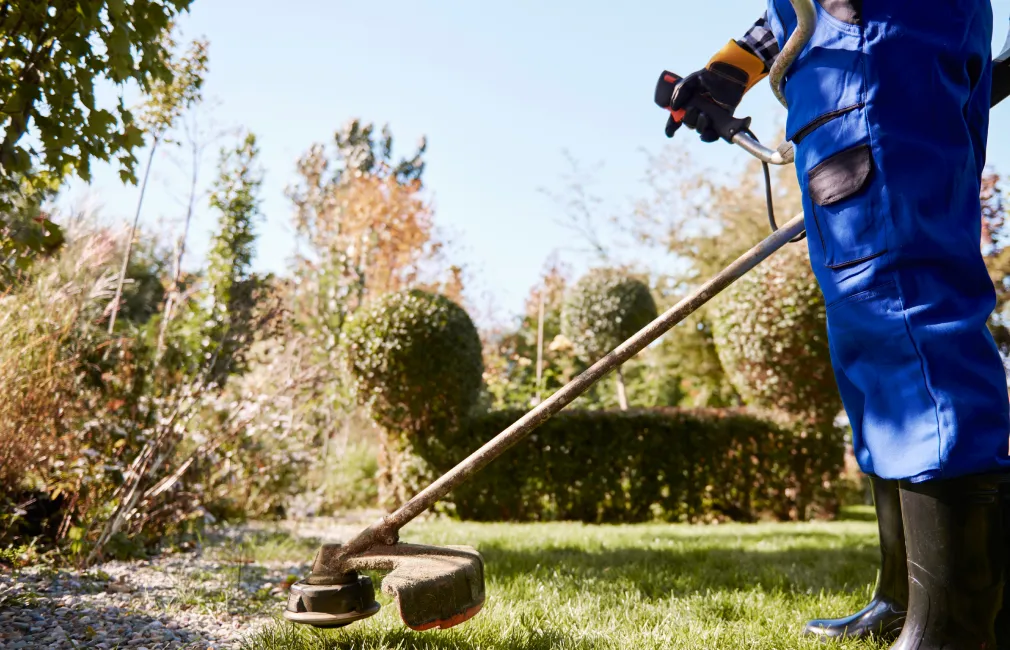
Sun Groves Plant Removal Types

Tree Removal
-
Shrub Removal
-
Stump Grinding
-
Root Extraction
-
Invasive Species Removal
-
Hedge Clearing
-
Overgrowth Management
Our Plant Removal Process
Site Evaluation
Preparation and Safety Measures
Plant Extraction
Debris Removal
Site Restoration
Why Choose Sun Groves Landscape Services
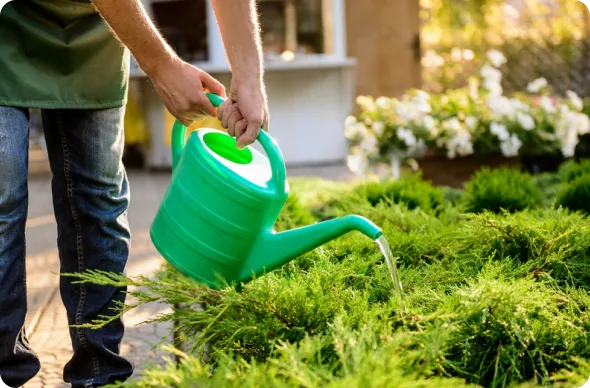
Sun Groves Homeowners Trust Us
-
Comprehensive Lawn Maintenance
-
Reliable Irrigation Solutions
-
Expert Tree and Shrub Care
-
Weed and Pest Control
-
Seasonal Clean-Up Services
-
Competitive Pricing
-
Professional and Courteous Team
Coordinating Plant Removal Disposal and Site Cleanup in Sun Groves, AZ
Plant removal in Sun Groves generates organic debris that must be handled in accordance with municipal waste and stormwater protocols. Sun Groves falls within the City of Chandler's jurisdiction, and residents should coordinate green waste disposal through the city's bulk collection and solid waste programs. Removed plant material—including root masses, stems, and soil-bound organic matter—should not be deposited in washes, retention basins, or storm-drain inlets. Property owners managing large-scale removals on commercial or multi-family parcels should verify current hauling and disposal requirements with the appropriate department before beginning work.
- Separate green waste from soil, rock, and non-organic debris before disposal or curbside placement
- Confirm whether removed plant material qualifies for the city's green organics collection or requires private hauling
- Prevent loose soil and root fragments from migrating into curb inlets or drainage channels during transport
- Contact the city to verify bulk pickup scheduling and any volume or bundling requirements
Chandler Public Works & Utilities
Official Website: Chandler Public Works & Utilities
How Sun Groves's Low-Desert Heat and Alkaline Soils Affect Plant Removal
Sun Groves sits in the Phoenix metro low desert, classified within USDA Hardiness Zone 9b–10a, where summer temperatures routinely exceed 110°F and annual rainfall averages under eight inches. These conditions directly influence plant removal logistics and site stabilization. Soils throughout the area tend toward alkaline sandy loam and frequently include caliche hardpan layers at varying depths, which can complicate root extraction and require mechanical equipment for subsurface work. Decomposed granite fill is common in newer subdivisions, while older irrigated lots may have compacted clay loam beneath amended topsoil.
- Caliche encounters: Dense calcium carbonate layers resist hand tools and may require jackhammering or specialized trenching during root-zone excavation
- Alkaline soil pH: Typically ranges from 7.5 to 8.5, affecting replanting decisions after removal and requiring soil amendment planning
- Monsoon runoff: July through September storms generate rapid sheet flow across exposed soil left after plant removal, increasing erosion risk near retention basins and neighborhood washes
- Reflected heat: Walls, block fences, and concrete surfaces intensify heat stress on adjacent vegetation and accelerate desiccation of exposed root zones during removal
Data from the USDA Web Soil Survey can help identify the specific soil series present on a given parcel before removal work begins.
Navigating Sun Groves's Regulatory Requirements for Plant Removal Projects
Plant removal in Sun Groves must account for several layers of local and state regulation. The City of Chandler's zoning code may impose landscape requirements on certain property types, meaning that removing established plants—particularly on commercial frontages or within planned area developments—could trigger a review through the city's development services process. Property owners should verify whether their parcel is subject to landscape minimums or screening requirements before removing vegetation.
- Parcels adjacent to designated washes or flood-control channels may be subject to additional restrictions; confirm site-specific conditions with the city
- Stormwater compliance under Arizona DEQ's Phase II MS4 program requires that plant removal activities do not discharge sediment, soil, or organic debris into the municipal storm sewer system
- If chemical herbicides are used to treat stumps or prevent regrowth, applicators must hold valid credentials through the Arizona Department of Agriculture's licensing program
- Removal of species listed under the Arizona Department of Agriculture's noxious weed program may carry specific handling and disposal obligations
Chandler Environmental Management
Official Website: Chandler Environmental Management
Chandler Planning & Zoning
Official Website: Chandler Planning & Zoning
Timing and Methods for Professional Plant Removal in Sun Groves's Climate
Scheduling plant removal around Sun Groves's extreme seasonal conditions is essential for site safety and post-removal stabilization. The optimal window for most removal work falls between October and April, when temperatures are moderate enough for sustained outdoor labor and exposed soil is less vulnerable to monsoon erosion. Removals performed during the summer monsoon season require immediate site stabilization to prevent sediment transport during storm events.
- Root extraction: Desert-adapted plants such as oleander, mesquite volunteers, and Bermudagrass colonies develop extensive root systems; complete removal typically requires excavation to a minimum depth sufficient to prevent regrowth
- Site stabilization: Bare soil left after removal should be covered with decomposed granite, gravel, or temporary erosion blankets, particularly on slopes or near drainage infrastructure
- Irrigation adjustment: After removing plants from a drip-irrigated zone, cap or reroute emitters to prevent water waste and pooling that can undermine adjacent hardscape or foundations
- Debris containment: Tarps or ground covers should be used during removal to contain loose soil and organic material, keeping it out of streets, sidewalks, and stormwater conveyance systems
Equipment selection should match the scale of the project—hand tools for small ornamental removals, skid-steer or mini-excavator for large shrub masses or deep-rooted invasive colonies.
What Neighborhoods Do We Serve Throughout Sun Groves, AZ?
- Sun Groves Phase 1: Established lots with mature oleander hedges and citrus trees that may require periodic removal due to disease, overgrowth, or irrigation system changes
- Sun Groves Phase 2: Newer subdivision fill soils and compact lot layouts create tight access conditions for equipment during plant removal projects
- Sun Groves Phase 3: Properties bordering retention basins and common-area washes require careful debris containment and post-removal stabilization to protect drainage infrastructure
- Cooper Corners: Mixed residential and commercial frontages where landscape code compliance may affect which plants can be removed without triggering a zoning review
- Chandler Heights Citrus: Larger parcels with legacy agricultural plantings, including aging citrus and windbreak vegetation, that present significant root-zone challenges during removal